


 Understanding Employer Liability
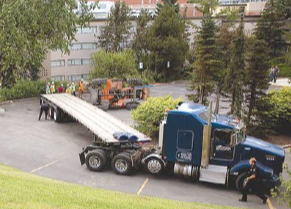
Workplace vehicle injuries can be devastating and life-changing. If operating a vehicle is a part of your job, you expect those vehicles to be properly maintained and safe to use. When vehicles are not properly maintained, they become a hazard.
Each year, a significant number of injuries are caused by workplace vehicles that were unsafe and not properly maintained. Industrial vehicles tend to cause the most severe injuries.
An alarming percentage of occupational fatalities are caused by workplace vehicles.
These vehicles may include:
- Forklifts
- Dump trucks
- Delivery trucks
- Tractors
- Backhoes
- Gravel trucks
When employees are injured on the job, a worker’s compensation claim is filed. Unfortunately, many of these claims are denied, which can be financially devastating to the injured employee. If this has happened to you, an experienced attorney who has handled these types of claims can help you file an appeal and get you the just compensation you deserve.
If you have not yet filed a claim, working with an attorney can help you avoid having your claim denied.
Employer Liability
There are some instances when an employer may be held liable for the accident. Employer negligence or vicarious liability can be argued against the employer in certain circumstances.
Vicarious Liability: If an employee is sent to a store to purchase toner for the office copier and the employee gets into an accident while driving to or from the store, the employer may be held liable. If the employee decides to make a pit stop along the way and gets into an accident, the employer will not be liable. This is because the employee is no longer acting on behalf of their employer. Of course, there are exceptions to this as well. For example, if the employee intentionally acts maliciously, the employer will not be held responsible.
Employer Negligence: If an employer fails to properly supervise an employee or they are negligent in hiring an employee, they may be held accountable for injuries caused by an accident. It is the responsibility of the employer to ensure that they are hiring a qualified driver with the appropriate license for the job. Checking the employee’s driving history and performing drug tests are two other ways employers can protect themselves from negligent hiring accusations.
Negligent Supervision: Employers must have safety policies in place and they must ensure that all of their drivers are following safety laws. If an employer fails to check up on their employee and ensure that they are following logging requirements and properly weighing their trucks, they may be deemed negligent.
Get A Lawyer Experienced With These Types of Injuries
Workplace vehicle injuries can be life-changing. It’s important to ensure that you receive fair compensation for your injuries. Protecting your rights at this perilous time is critical! Without consulting a lawyer, you’ll be left to judge what’s fair and what’s not on your own while trying to navigate tricky negotiations with your employer.
If that sounds like too much to handle, we completely understand. In fact, you should contact one of our workplace injury experts and have them hear the details of your claim. They will be able to explain your rights and help you determine the best course of action to take. Free consultations for injured parties are always available, just contact our office.